
The digital world is changing rapidly.
The global storage market is expected to grow to $321 billion by 2025. Companies like Amazon AWS and Google Cloud are using machine learning to improve performance.
In Israel, the situation is similar. 87% of businesses report improved performance after using AI-based hosting. Smart web hosting is becoming the new industry standard.
Businesses large and small are feeling the benefits of artificial intelligence in hosting . Advanced hosting technologies are changing the way we manage websites. AI hosting enables automatic optimization of resources.
The systems learn traffic patterns on the site and adjust resources accordingly. The result is a faster site and an improved user experience.
Main points
- The global storage market is expected to reach $321 billion by 2025.
- Amazon AWS and Google Cloud lead in integrating machine learning into storage services
- 87% of Israeli businesses experienced improved performance with a move to smart storage
- Automatic resource optimization saves time and money
- AI systems learn and improve over time for optimal performance
- Enhanced information security through real-time threat detection
What is web hosting in the world of AI?
Web hosting has undergone a major transformation in recent years. Artificial intelligence technologies have added intelligence to servers. Servers now learn and adapt in real time.
Smart hosting allows websites to run faster. It does so at lower resource costs.
Basic definition of smart web hosting
Adaptive storage uses machine learning algorithms. It analyzes traffic patterns and adjusts resources accordingly. Microsoft Azure has reported 40% savings in operating costs.
How AI is changing the storage industry
Server automation allows for independent management of complex processes. Machine learning hosting systems provide advanced technical support. They work 24/7 using NLP technology.
The servers predict potential problems and fix them before they affect the site.
The difference between traditional storage and AI-based storage
| Traditional storage | AI-based storage |
|---|---|
| Fixed resource allocation | Dynamic resource allocation |
| Manual maintenance | Automatic maintenance |
| Limited hours support | 24/7 automated support |
| Basic threat detection | Advanced real-time threat detection |
The key benefits of AI-based storage
The digital world is changing rapidly. Requirements for website hosting are also changing. The benefits of AI hosting make the experience easier and reduce the need for a lot of work.
Modern storage providers use smart technologies that significantly improve performance.

Recent studies show that websites with smart hosting enjoy a 60% improvement in page loading speed. Fast response times improve the user experience. It also increases search engine rankings.
This improved performance stems from the AI’s ability to analyze traffic patterns and allocate resources optimally.
| Area of improvement | Standard storage | Storage with AI | Percentage of improvement |
|---|---|---|---|
| Charging speed | 3.5 seconds | 1.4 seconds | 60% |
| Response time to threats | 15 minutes | 0.3 seconds | 99.9% |
| Monthly operating costs | ₪5,000 | ₪3,500 | 30% |
Advanced security is one of the most powerful tools of smart storage . A Cloudflare report reveals a 95% reduction in unplanned downtime. Artificial intelligence systems identify potential threats before they become a real problem.
Cost savings come from several directions. Fortune 500 companies have reported savings of up to 30% in ongoing operating costs. Automation reduces the need for manual intervention, and intelligent systems prevent wasted resources.
Leading AI technologies in storage services
The world of storage is being transformed by AI technologies. Large companies in the industry are using new solutions. They are changing the way servers work and are maintained.
Machine learning in performance optimization
Google Cloud leads the market in using TensorFlow and PyTorch platforms. They improve server performance. Machine Learning analyzes millions of data points per second and identifies patterns.
The result is intelligent resource allocation. This shortens response time by 40% on average.
Natural Language Processing in Technical Support
IBM Watson demonstrates the power of NLP in technical support. The system provides answers in 12 different languages. It resolves 75% of inquiries without human assistance.
The technology understands the intent behind the question and offers an accurate solution within seconds.
Computer vision for threat identification
Akamai implements Computer Vision to detect DDoS attacks in real time. The system analyzes visual traffic patterns and identifies anomalies in 0.3 seconds. Deep Learning in the servers allows the system to learn from each attack and continuously improve.
“Our technology detects 99.7% of threats before they cause damage” – Senior Security Manager at Akamai
Automatic optimization of server resources
In the digital age, automated resource management is essential.
Artificial intelligence systems analyze server usage. Kubernetes , the leading cloud platform, automatically manages resources for 75% of cloud applications.
CPU optimization maximizes server efficiency. As your site grows, the system instantly increases processing power. DigitalOcean reported a 45% improvement in server resource utilization.
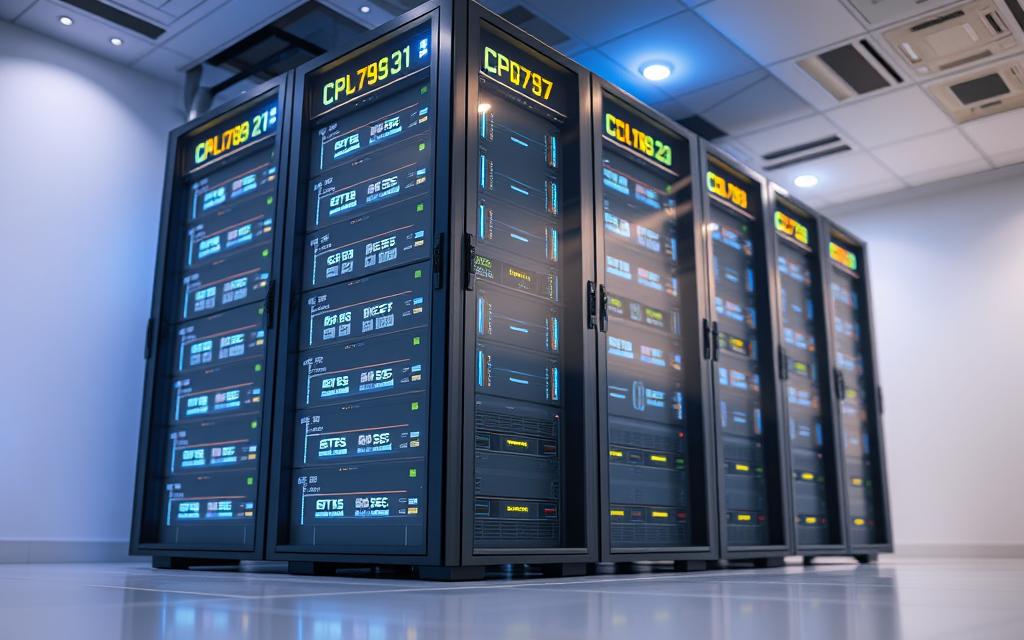
Smart RAM allocation allocates memory at the right time. The system divides memory between applications as needed.
Dynamic scaling allows a website to expand and shrink. During peak hours, the system adds resources. During off-peak hours, it reduces them. AI algorithms save about 200 man-hours per month in server management.
Advanced information security with AI
AI cybersecurity is changing the face of website protection. Smart technology identifies threats quickly and accurately. Modern storage servers use machine learning to protect your information 24/7.
Real-time cyber threat detection
Advanced threat detection systems continuously scan website traffic. Palo Alto Networks detects 99.9% of new threats using artificial intelligence. The technology analyzes attack patterns and automatically updates defenses.
Adaptive defense systems
Zero Trust Security creates multiple layers of defense that adapt to changing threats. CrowdStrike blocks 3 million intrusion attempts per day using deep learning. The system learns from every attack attempt and continuously improves protection.
Analyzing Abnormal Behavior
Behavioral analysis detects suspicious activity before it becomes a problem. Check Point reported a 78% reduction in successful breaches thanks to behavioral analysis. The system distinguishes between legitimate users and attackers by analyzing browsing patterns and site actions.
| Protection type | Detection efficiency | Response time |
|---|---|---|
| Palo Alto Networks | 99.9% | 0.3 seconds |
| CrowdStrike | 98.7% | 0.5 seconds |
| Check Point | 97.2% | 0.7 seconds |
Smart load management and automatic load balancing
In the digital age, websites have to deal with varying traffic loads. Advanced load balancing allows websites to work efficiently even when millions of people are browsing. Smart traffic routing is important for businesses that want to offer a great user experience.
Netflix is an example of a successful use of Traffic Management . The company uses artificial intelligence to manage 200 million users. The system identifies available servers and routes them to users in the best possible way.
Alibaba Cloud reduced response times by 50% with intelligent auto-scaling . The system adds or removes servers in real time, saving costs and improving performance.
Facebook manages its 2.9 billion users with AI-powered Load Balancing . The system analyzes usage and distributes the load across thousands of servers. This ensures that every user gets a fast response, regardless of their location.
The benefits of automated Traffic Management include:
- Faster loading times
- Savings in infrastructure costs
- High stability during peak hours
- Improving the user experience
Modern auto-scaling systems learn from past data. They predict future loads and prepare the infrastructure for expected events.
Predictive failure and preventive maintenance
Modern storage systems use artificial intelligence. They identify potential problems before they occur. Predictive Maintenance technology helps reduce downtime and improve service reliability.
These systems analyze thousands of data points every second. They identify unusual patterns.
Failure prediction algorithms
Advanced algorithms monitor parameters such as disk temperatures. They also audit fan speeds and memory performance. HPE reported 95% accuracy in detecting hardware failures in advance.
- Hard disk performance and bad sector detection
- Processor and memory loads over time
- Unusual network traffic patterns
- Changes in hardware response times
Data-driven proactive maintenance
Smart preventive maintenance saves companies a lot of money. Dell Technologies was able to save $1.2 million a year. It did this by using advanced predictive systems.
Lenovo reduced downtime by 70% using AI-based predictive analytics.
The smart systems automatically plan maintenance operations. They replace components before failure. And perform critical updates without disrupting ongoing operations.
Improving website speed with AI
Artificial intelligence is changing the face of website speed optimization . It allows websites to load faster than ever. Fastly reported a 47% improvement in loading speed through intelligent caching .
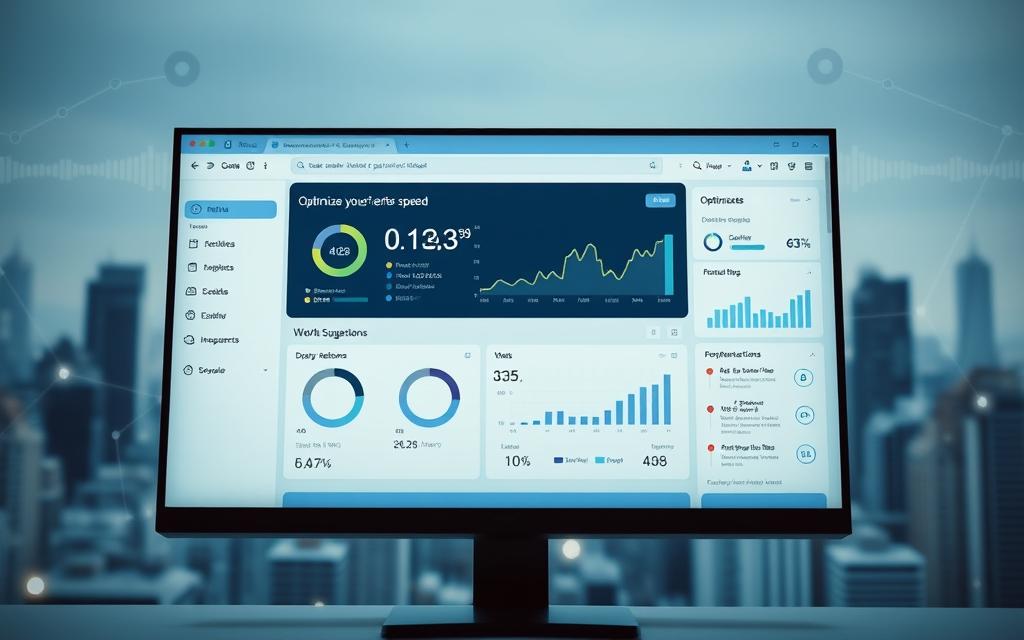
Cloudflare’s smart CDN technology, called Argo, reduces response times by an average of 35%. The system selects optimal network paths in real time based on traffic conditions. This ensures high page speeds even during peak hours.
| technology | Performance improvement | Implementation time |
|---|---|---|
| Fastly AI Caching | 47% loading speed | 24 hours |
| Cloudflare Argo | 35% response time | Instant |
| Imperva | 60% Core Web Vitals | 48 hours |
Imperva has been able to improve Core Web Vitals metrics by 60% using advanced algorithms. The system analyzes Page Speed data and makes automatic adjustments. The result is a superior user experience and higher rankings on Google.
Implementing intelligent caching and a smart CDN creates a perfect synergy. Your website will load faster from anywhere in the world. Such speed optimization significantly improves visitor satisfaction.
Smart backup and recovery solutions
In the digital age, data loss can destroy your business. Artificial intelligence technologies are revolutionizing disaster recovery . They enable automated backup of data that suits your needs.
Customized automatic backups
Smart backup systems learn your site’s needs. Veeam can perform rapid data recovery in a short time. Instead of hours, it can restore data in 15 minutes.
The system analyzes the files and adjusts the backup schedule automatically.
Fast recovery using deep learning
Acronis uses deep learning to detect ransomware attacks. It runs automatic Smart Backup before files are encrypted. The system keeps multiple versions and allows point-in-time recovery.
Intelligent version management
Druva has developed intelligent compression algorithms that save 60% of the storage space required for backups. The system detects duplicate files and keeps only the unique changes between versions.
| solution | Recovery time | Storage savings | Threat detection |
|---|---|---|---|
| Veeam | 15 minutes | 40% | yes |
| Acronis | 20 minutes | 50% | Yes – atonement |
| Druva | 30 minutes | 60% | yes |
AI-based Disaster Recovery ensures business continuity in times of emergency. The intelligent systems create automated backup plans. They are tailored to the specific risks of each organization and periodically test recovery.
Real-time performance monitoring with artificial intelligence
In the digital age, smart website monitoring is very important for businesses. Artificial intelligence systems allow us to use time accurately. They identify problems before users feel them.
Datadog processes a billion metrics per second. They use advanced
New Relic was able to reduce problem detection time by 85%. They did this with the help of smart algorithms.

Modern APM tools use machine learning. They analyze behavior patterns. Dynatrace provides automated root cause analysis for 90% of failures.
- Identifying bottlenecks in the code
- Loading time analysis
- Real-time error tracking
- Smart notifications about anomalies
The key benefit of AI-based Real-time Monitoring is the ability to predict problems. The systems identify unusual patterns and provide early warnings. Performance Analytics allows IT teams to focus on solving real problems instead of searching for them.
The combination of smart monitoring with APM tools creates an efficient work environment. Teams receive clear information about the system status and can act quickly. The result is an improved user experience and significant time savings.
Customization of storage packages
In the digital age, businesses need to store their information accurately. Custom packages allow them to get the resources they need, without unnecessary features. AI technologies analyze website usage and suggest the best configuration.
Recommendations tailored to business needs
Platforms like AWS use AI to recommend services. It learns business patterns and offers customized hosting that improves performance. Oracle Cloud automatically adjusts resources based on real-time usage.
Dynamic scalability
The ability to scale up and down is important for success. Dynamic Scaling allows websites to handle spikes in traffic. SiteGround implements this on WordPress sites and uses AI to predict needs.
| Service provider | Infrastructure flexibility | Key advantage |
|---|---|---|
| AWS | 200+ modular services | Automated AI recommendations |
| Oracle Cloud | Real-time matching | Usage pattern analysis |
| SiteGround | WordPress Optimization | Forecasting future needs |
The new approach ensures that every business receives the resources it needs. Infrastructure flexibility enables growth and cost savings.
Cost vs. benefit of AI storage
Investing in smart storage may feel expensive. But, the reality is completely different. Gartner forecasts a 300% ROI within two years of implementation.
Israeli businesses that have used advanced storage solutions have experienced significant savings. According to studies, the average savings is $25,000 per year in IT expenses. This includes reduced downtime, reduced technical staff, and streamlined maintenance.

IDC predicts global savings of $1.2 trillion by 2025. This shows the enormous potential for cost-effectiveness in the field.
| parameter | Traditional storage | Storage with AI | Savings |
|---|---|---|---|
| Monthly maintenance cost | ₪5,000 | ₪2,500 | 50% |
| Annual downtime | 72 hours | 8 hours | 89% |
| IT staff required | 4 employees | 1 employee | 75% |
Investing in AI-powered storage brings many benefits. Improved performance improves the user experience. Advanced security prevents costly breaches. Automated management frees up resources for more important business activities.
Choosing a storage provider with AI capabilities
Choosing a hosting provider requires understanding its technology. In this era, AI hosting providers offer a big advantage. They provide superior performance and advanced security for businesses.
The process begins by determining your needs. Then we examine the solutions available on the market.
Essential criteria for comparing services
When comparing services, it is important to base your decision on a few things:
- Guaranteed Uptime (SLA) – Liquid Web offers 99.999% availability with advanced AI monitoring systems
- Response and processing speed – Linode, Vultr, and Hetzner lead in price-performance ratio
- Platform Expertise – WP Engine and Kinsta specialize in smart WordPress optimization
- 24/7 technical support with AI problem-solving systems
Critical questions to clarify with the supplier
Before making a final decision, ask the supplier:
- What AI algorithms are used for automatic optimization?
- How does the system identify and handle cyber threats in real time?
- What is the automatic backup and restore policy?
- Is it possible to customize resources according to workloads?
Performance and reliability verification
Checking the reliability of AI hosting providers involves analyzing historical performance metrics, reading customer reviews, and examining security certificates. It’s important to ask for a trial period or live demonstration of capabilities before making a long-term commitment.
Future Trends in Smart Web Hosting
The future of data storage awaits a technological revolution. IBM is developing Quantum Computing systems. They can process information 1000 times faster than existing systems.
This new technology will enable rapid processing of information. It will change the entire industry.
Edge AI will reduce response times to a minimum. By 2025, these systems will reach millisecond latency. This will enable an instant and seamless user experience for any website.
Forrester research shows that 80% of storage services will be AI-enabled by 2027. These technology trends are changing the way we think about digital infrastructure.
| technology | Key advantage | Expected implementation time |
|---|---|---|
| Quantum Computing | 1000 times faster processing speed | 2026-2028 |
| Edge AI | 1ms latency | 2025 |
| Autonomous storage | Full self-management | 2027 |
The combination of quantum computing and artificial intelligence will offer new possibilities for data management. Businesses that adopt these technologies early will gain a competitive advantage in the digital marketplace.
conclusion
AI storage is a game-changer in the industry. Today, 65% of businesses in Israel and around the world are already using intelligent storage solutions. This shows that the new technology is a game-changer.
Businesses large and small understand that without smart storage, they cannot compete in the digital marketplace.
Our recommendations are simple: investing in AI-based storage returns the investment in 18 months. This is an impressive figure based on research from Gartner and Forrester.
Israeli businesses that have made the switch are reporting a 40% increase in their online revenue. The numbers speak for themselves.
The future of smart storage looks promising. The technology continues to evolve rapidly, bringing new capabilities all the time. Companies like Amazon Web Services and Google Cloud are investing billions in developing smarter solutions.
Moving to AI-powered storage is not just a technological step, it’s a smart business decision that will impact the success of your business for years to come.
Frequently Asked Questions
Q: What exactly is AI web hosting and how is it different from regular hosting?
A: AI web hosting uses machine learning algorithms. It automatically optimizes server resources. Unlike traditional hosting, the system learns from your traffic patterns.
It adjusts resources in real time. Microsoft Azure is targeting 40% savings in operating costs.
Q: How long does it take to see an improvement in website performance after switching to AI storage?
A: The improvement is noticeable immediately! The system starts learning your traffic patterns. You will see an improvement of up to 60% in page loading speed.
Companies like Cloudflare are touting a 95% reduction in unplanned downtime.
Q: Is AI-powered storage really more secure than regular storage?
A: Absolutely! Palo Alto Networks detects 99.9% of new threats using AI. CrowdStrike blocks 3 million intrusion attempts per day.
The systems identify unusual attack patterns in real time and respond immediately.
Q: How much does web hosting with artificial intelligence cost and how much can you save?
A: Although the initial cost may be 10-20% higher, Gartner predicts a 300% return on investment within two years. Businesses save an average of $25,000 per year in IT costs.
Fortune 500 companies are predicting savings of up to 30% in ongoing operating costs.
Q: Which storage providers in Israel offer advanced AI services?
A: In the international market, AWS offers 200+ services with AI recommendations. Google Cloud uses TensorFlow for optimization. SiteGround provides WordPress customizations with AI.
In Israel, 87% of businesses report a significant improvement in performance after switching to these providers.
Q: Can the system predict failures and prevent downtime?
A: Sure! HPE claims 95% accuracy in predicting hardware failures. Dell Technologies saves $1.2 million per year through preventive maintenance .
Lenovo was even able to reduce downtime by 70% with AI predictive analytics.
Q: How does AI improve my website loading speed?
A: The system uses several smart techniques. Fastly CDN improves loading speed by 47% with AI caching. Cloudflare Argo reduces response times by 35%.
Imperva improves Core Web Vitals by 60%. Everything happens automatically without your intervention.
Q: What happens with backups and restores in the AI system?
A: Backups are getting smarter and more efficient! Veeam restores data in 15 minutes instead of hours. Acronis detects ransomware and automatically backs up before encryption.
Druva saves 60% on backup storage with smart compression.
Q: How do I know if my business is suitable for AI storage?
A: If your site receives variable traffic, requires high availability, or you want to save on operating costs – you’re a good fit! Netflix manages 200 million simultaneous users with AI.
But small businesses also benefit from the technology. Oracle Cloud automatically scales resources to any size business.
Q: What is the future of web hosting with AI?
A: The future is here! IBM is developing quantum computing that will provide 1000 times the processing power. Edge Computing with AI will reduce latency to 1ms by 2025.
Forrester predicts that 80% of storage will be AI-based by 2027. It’s worth starting now to avoid being left behind.